
Parasite Prevention FAQs from a Veterinarian Near You in Lancaster, OH
Parasites are more than just a nuisance. For pets, these organisms can quietly wreak havoc behind the scenes, like burglars slipping in through an open window. At Lancaster Animal Clinic, your veterinarian in Lancaster, OH, we believe in prevention first. So here are a few answers to some questions we might hear about keeping pets safe from parasites.
What Are the Most Common Parasites in Pets?
The most frequent offenders include:
● Fleas, which feed on your pet’s blood and can cause skin irritation, allergies, and even anemia.
● Ticks, which latch on and can transmit diseases like Lyme or ehrlichiosis.
● Heartworms, which are spread by mosquitoes and lodge themselves in the heart and lungs.
How Can I Prevent Parasites in My Pet?
Prevention should be a year-round effort, even if the weather seems to be cooperating. Here are some common strategies:
● Routine veterinary checkups: Exams and stool tests help catch infections early.
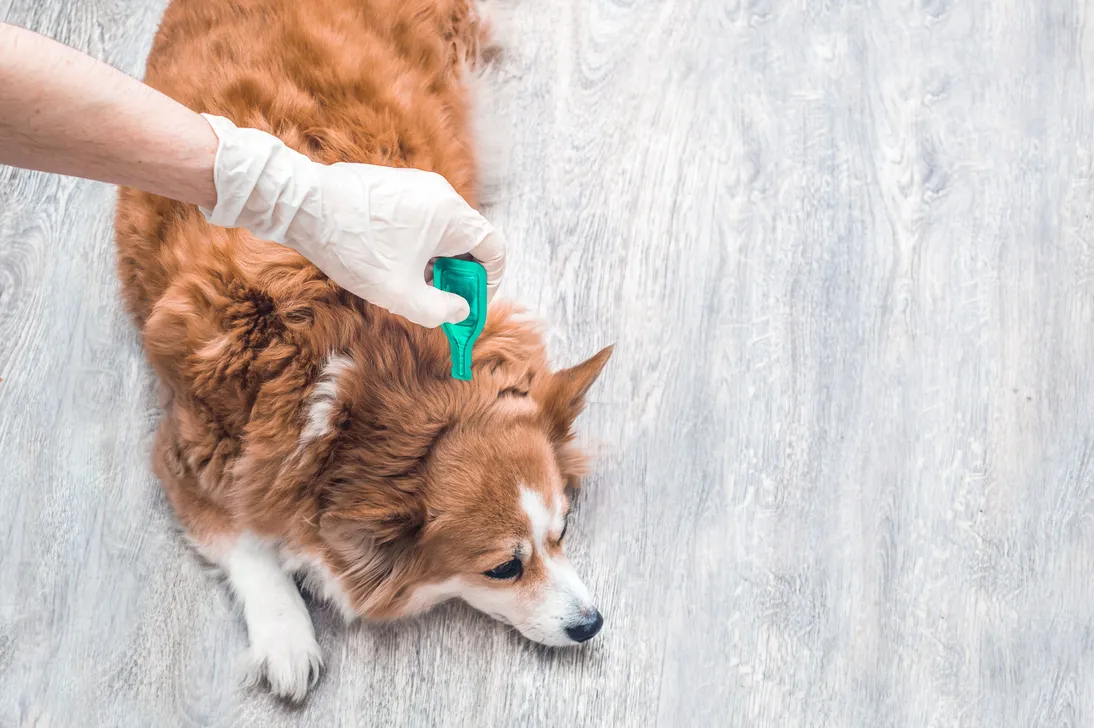
● Monthly preventives: These may be oral tablets, topical treatments, or injectables that ward off fleas, ticks, and heartworms.
● Clean environments: Regularly wash bedding, vacuum floors, and keep your yard clean.
● Safe socializing: Avoid letting pets eat unknown material outdoors or interact with unfamiliar animals in uncontrolled settings.
Think of it like locking your doors before bed. It might seem like a small thing but it can help keep a lot of trouble from walking in.
Can Indoor Pets Get Parasites Too?
Yes. Mosquitoes can fly indoors, fleas can hitchhike on your clothes, and indoor cats might still chase a bug that wandered in through a screen. Indoor pets are at a lower risk, but they’re not off the hook. Prevention is still important to keep them safe.
Are These Parasites Dangerous to Humans?
Some parasites, especially intestinal worms, can be passed to people—particularly children, who may not always wash their hands after playing outside or with pets. This is known as zoonotic transmission. That’s why prevention helps protect both animal and human health.
When Should My Pet Start Parasite Prevention?
Puppies and kittens should begin parasite prevention as early as 6 to 8 weeks of age. We will tailor the plan based on their weight, species, and lifestyle. It’s much easier to prevent parasites than to treat them once they’ve set up shop.
Visit Us for Parasite Prevention Treatment from a Veterinarian Near You in Lancaster, OH
Parasites might be small, but they cause big problems. Fortunately, consistent prevention, clean living spaces, and regular veterinary care go a long way. At Lancaster Animal Clinic, your veterinarian in Lancaster, OH, we’re here to help you keep your pet pest-free and healthy, from paws to whiskers. Call us at (740) 687-1591 for parasite prevention treatment from a veterinarian near you.
