
Flea and Tick Prevention: FAQs from a Veterinarian Near You in Lancaster, OH
Fleas and ticks are more than just tiny hitchhikers; they are persistent, unwelcome guests that can turn your pet into their personal buffet. Left unchecked, these pests multiply faster than weeds in a forgotten garden, bringing not only discomfort but also disease. At Lancaster Animal Clinic, your veterinarian in Lancaster, OH, we know that prevention is key to keeping your pet itch-free and healthy. Here are some common questions we may hear about flea and tick prevention—along with the answers pet owners need.
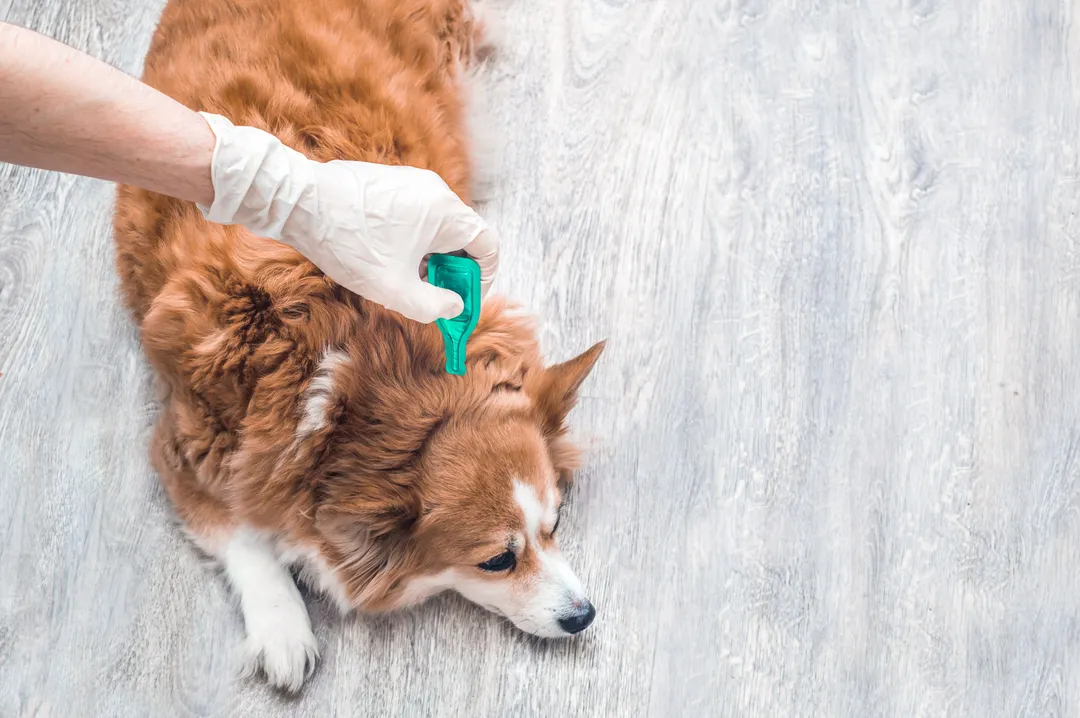
Why Should I Worry about Fleas and Ticks Year-Round?
Many people think these pests disappear in the colder months, but fleas and ticks are resourceful little survivors. Fleas can live indoors, hiding in carpets and furniture, while ticks can endure mild winters, waiting for their next host. A lapse in prevention can open the door to infestation.
What Are the Best Ways to Prevent Fleas and Ticks?
Prevention is like building a fortress—one weak spot, and the invaders get through. A good defense may include:
● Veterinarian-Recommended Preventatives – Monthly topical treatments, oral medications, and flea/tick collars are all effective when used consistently.
● Regular Grooming and Inspections – Checking your pet’s fur, especially after outdoor activities, can catch any early signs of infestation.
● A Clean Environment – Vacuum frequently, wash pet bedding often, and keep your yard maintained to reduce tick-friendly hiding spots.
Can Fleas and Ticks Harm My Pet Beyond Just Itching?
Absolutely. Fleas and ticks are not just annoying; they are disease carriers. Fleas can transmit tapeworms and cause anemia, while ticks spread serious illnesses like Lyme disease. What starts as a small bite can turn into a much bigger health issue if left untreated.
Are Natural Remedies Effective?
While some natural remedies, like certain essential oils, may repel fleas and ticks to a degree, they are rarely as effective as veterinarian-approved preventatives. Worse, some DIY treatments can be toxic to pets. It may be a good idea to consult your veterinarian before trying any alternative methods.
What Should I Do If My Pet Already Has Fleas or Ticks?
If you spot fleas, use veterinarian-recommended treatments and thoroughly clean your home to break the flea life cycle. For ticks, remove them carefully with tweezers, ensuring you extract the entire tick, then monitor your pet for any signs of illness.
Get Preventive Care, Pet Care, and Flea and Tick Prevention from a Vet Near You / Veterinarian Near You to Protect Against Lyme Disease and More
Battling fleas and ticks is much harder than keeping them away in the first place. At Lancaster Animal Clinic, your veterinarian in Lancaster, OH, we can help pet owners choose the best protection so their furry companions stay comfortable and pest-free. When it comes to these relentless invaders, an ounce of prevention is worth a pound of scratching. Call us at (740) 687-1591 for preventive care, pet care, and flea and tick prevention from a vet near you / veterinarian near you to protect against Lyme disease and more.
